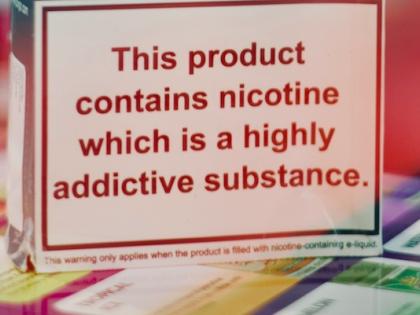
According to research published in the journal Tobacco Control, the use of high-nicotine e-cigarettes among 18–24-year-olds in the U.S. increased by 80% between 2017 and 2022. Due to the increased dependency, researchers are calling on the FDA to review marketing authorizations.
Researchers analyzed waves of the representative U.S. PATH study (with 32,822 participants in 2017, 34,309 in 2019, 30,516 in 2021, and 30,801 in 2022), examining 3,000–4,000 e-cigarette users per time point. They assessed the frequency of use, the nicotine strength of the liquids, and the level of nicotine dependency in each age group using a 16-point questionnaire.
Based on the results, between 2017 and 2022, the vaping rate among 18–24-year-old Americans rose from just over 10% to nearly 19%, while the proportion of daily users increased from over 26% to 55.5%. Among young adults who vape daily, the use of high-nicotine (at least 4-5%) products jumped from just over 3% in 2017 to over 49% by 2022. In 2022, the odds of using high-nicotine products in this age group were fifteen times higher than for those over 55, while the previously lower dependency level of exclusive e-cigarette users compared to smokers had equalized by 2022.
The authors highlight as a limitation that the research is observational in nature, and therefore cannot prove a direct causal link. Additionally, self-reported dependency indicators are considered evidence of lower reliability.
In short
- The proportion of e-cigarette users among U.S. 18–24-year-olds grew to nearly 19% between 2017 and 2022.
- Among young adults who vape daily, the proportion of high-nicotine products rose from 3% to over 49%.
- 18–24-year-olds were fifteen times more likely to choose high-nicotine products than those over 55.
- Based on their observational study, researchers are urging the FDA to review product authorizations.
Source: Planet of The Vapes (planetofthevapes.co.uk)
The summary was generated by artificial intelligence based on the original article.